Our Programs
A Well-Rounded Education For All
At Boulder Primary School, we deliver a broad, balanced, and evidence-informed curriculum that supports every student to thrive academically, socially, and emotionally. Our teaching is structured and consistent, with a strong focus on building essential skills in Literacy and Mathematics, alongside rich learning experiences in Science, Technologies, The Arts, Health, Physical Education, and Wangkatja language.
We aim to develop confident, capable learners who are engaged, curious, and prepared for future learning. Across all learning areas, we prioritise high expectations, meaningful learning experiences, and the development of the whole child.
Evidence-based strategies
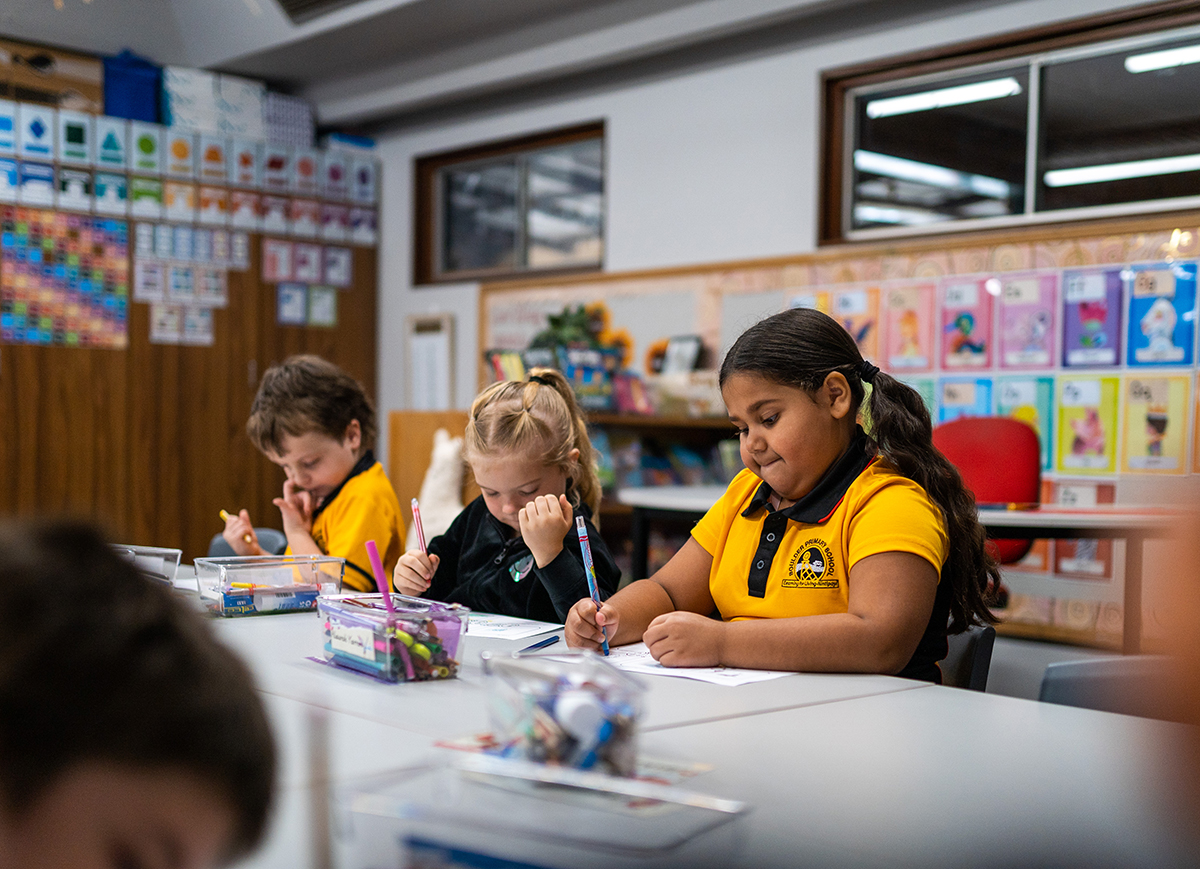
High-quality teaching is guided by the Department of Education’s Teaching for Impact and Quality Teaching strategies. We use evidence-based teaching strategies that include explicit instruction, clear learning intentions, structured practice, and ongoing feedback. Teachers monitor student progress and adjust teaching to meet individual learning needs, ensuring every student is supported and challenged.
Whole-school alignment
A key feature of our curriculum is whole-school alignment. Across all year levels and learning areas, we work from consistent practices, shared expectations, and common approaches to teaching and learning. This ensures continuity for students, strengthens teaching quality, and supports every child to build on prior learning as they progress through the school.
Social & Emotional Learning
Social and emotional learning is central to creating a safe, inclusive, and supportive environment where students can learn effectively. At Boulder Primary School, students learn to build relationships, manage emotions, and make positive choices.
Tribes Learning Community
We are a Tribes school, which means we intentionally build strong relationships and a sense of belonging in every classroom. Students learn to collaborate, communicate respectfully, and value others. This creates a positive learning culture where students feel connected, supported, and ready to learn.
Zones of Regulation
The Zones of Regulation framework supports students to understand and manage their emotions. By providing a shared language for emotional regulation, students learn to recognise how they are feeling and use strategies to return to a calm and focused state. This builds independence, self-awareness, and resilience.
Positive Behaviour Support (PBS)
As a PBS school, we take a proactive and consistent approach to behaviour. Expectations are taught, modelled, and reinforced across all settings. Positive behaviours are recognised and celebrated, creating a calm and predictable environment that supports learning and wellbeing.
Protective Behaviours
Protective Behaviours are taught through our Health curriculum to support student safety and wellbeing. Students learn about personal safety, trusted adults, and how to recognise safe and unsafe situations. This empowers students with the confidence and skills to seek help when needed.
Literacy
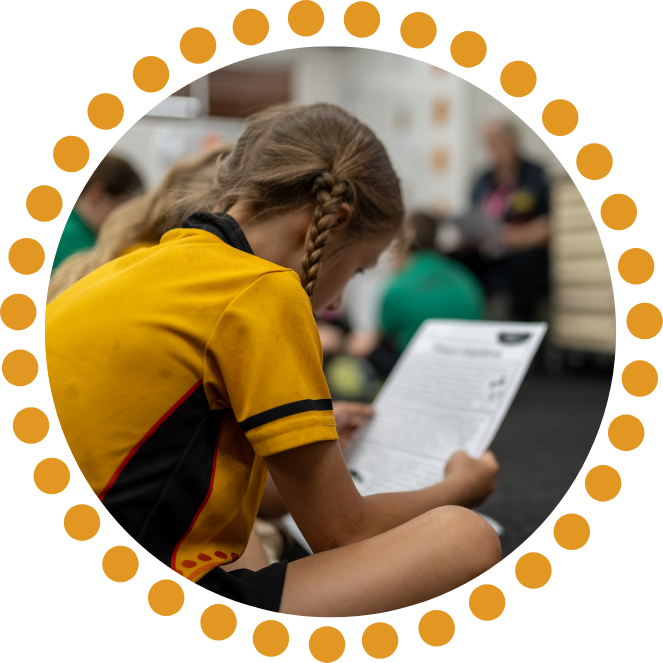
Our literacy programs are grounded in research-based practice and delivered through a structured approach. We ensure a clear progression of skills from Kindergarten to Year 6, supporting all students to become confident readers, writers, and communicators.
These programs ensure timely, evidence-based support that builds confidence and progress.
Pre-Lit (Kindergarten)
Pre-Lit develops early oral language skills such as vocabulary, listening, and phonological awareness. These foundational skills are critical for later reading and writing success.
InitiaLit (Pre-Primary – Year 2)
InitiaLit provides explicit instruction in phonics, reading, spelling, and writing. It ensures students build strong decoding skills, fluency, and comprehension, establishing essential early literacy foundations.
Talk for Writing (Kindergarten – Year 2)
Talk for Writing strengthens oral language and early writing skills. Students learn through modelling, retelling, and creating their own texts, building confidence and understanding of language structures.
Science of Reading (Year 3 – Year 6)
In Years 3 to 6, reading instruction is guided by the Science of Reading. This ensures teaching is explicit and systematic, with a focus on fluency, comprehension, and vocabulary development so students become capable, confident readers.
Spellex (Year 3 – Year 6)
Spellex develops spelling through an understanding of word structure, meaning, and patterns. This strengthens students’ writing accuracy and confidence.
Seven Steps to Writing Success (Year 3 – Year 6)
This program provides clear strategies to improve writing, focusing on structure, creativity, and author voice. It supports students to produce engaging and well-organised texts across a range of genres.
Targeted Intervention
We provide targeted support to ensure every student can succeed:
• Language Lift – builds oral language in the early years.
• MiniLit – supports early reading development.
• MacqLit – supports older students with reading fluency and comprehension.
RIBIT (Reading in Bed It’s Terrific)
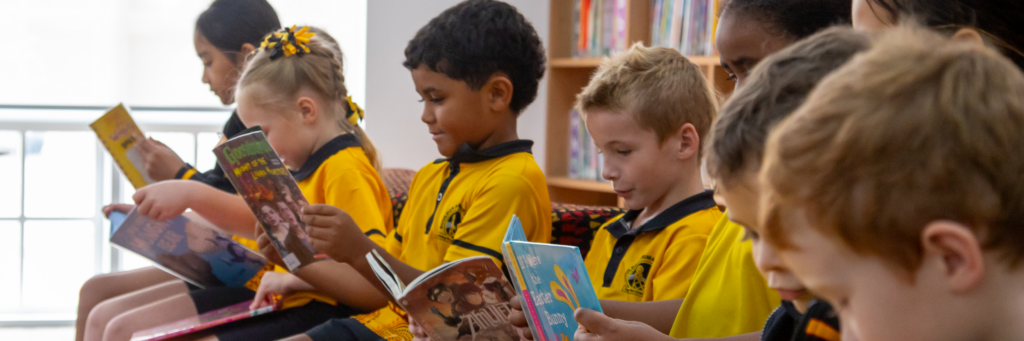
RIBIT is a whole-school reading initiative that promotes reading for enjoyment and strengthens the home-school connection. Students are encouraged to read regularly at home in a relaxed and positive environment, building fluency, stamina, and a love of reading. This approach recognises the importance of daily reading practice in developing strong literacy skills. By encouraging reading beyond the classroom, RIBIT helps to reinforce classroom learning and fosters lifelong reading habits.
Mathematics
Our Mathematics program develops confident, flexible thinkers who can reason, solve problems, and apply their understanding in meaningful ways.
ORIGO (Kindergarten – Year 6)
ORIGO provides a structured approach to mathematics that builds deep understanding through explicit teaching, hands-on learning, and problem-solving. Students develop number sense, reasoning, fluency, and mathematical communication. This ensures all students are supported to build strong foundational skills while also being extended when ready.
Small Group Tuition (SGT)
SGT provides targeted teaching in small groups to support both intervention and extension. It allows teachers to respond directly to student needs, providing focused instruction, immediate feedback, and opportunities for practice. This strengthens understanding and builds confidence.
Numero
Numero is a fast-paced card game that builds mental computation, fluency, and strategic thinking. It engages students in applying mathematical skills in an enjoyable and competitive format. Students also participate in the regional Numero competition each year, providing an opportunity to apply their skills, build teamwork, and represent the school with pride.
Other Learning Areas
Students at Boulder Primary School engage in a range of specialist and integrated learning areas that enrich their learning and support a well-rounded education.
Physical Education (PE)
PE develops fundamental movement skills, teamwork, and physical fitness. It encourages lifelong participation in physical activity and promotes health, resilience, and wellbeing.
Science, Technologies and STEM
Through Science and Technologies, students engage in hands-on, inquiry-based learning. STEM experiences develop curiosity, creativity, and problem-solving skills as students explore real-world challenges.
The Arts
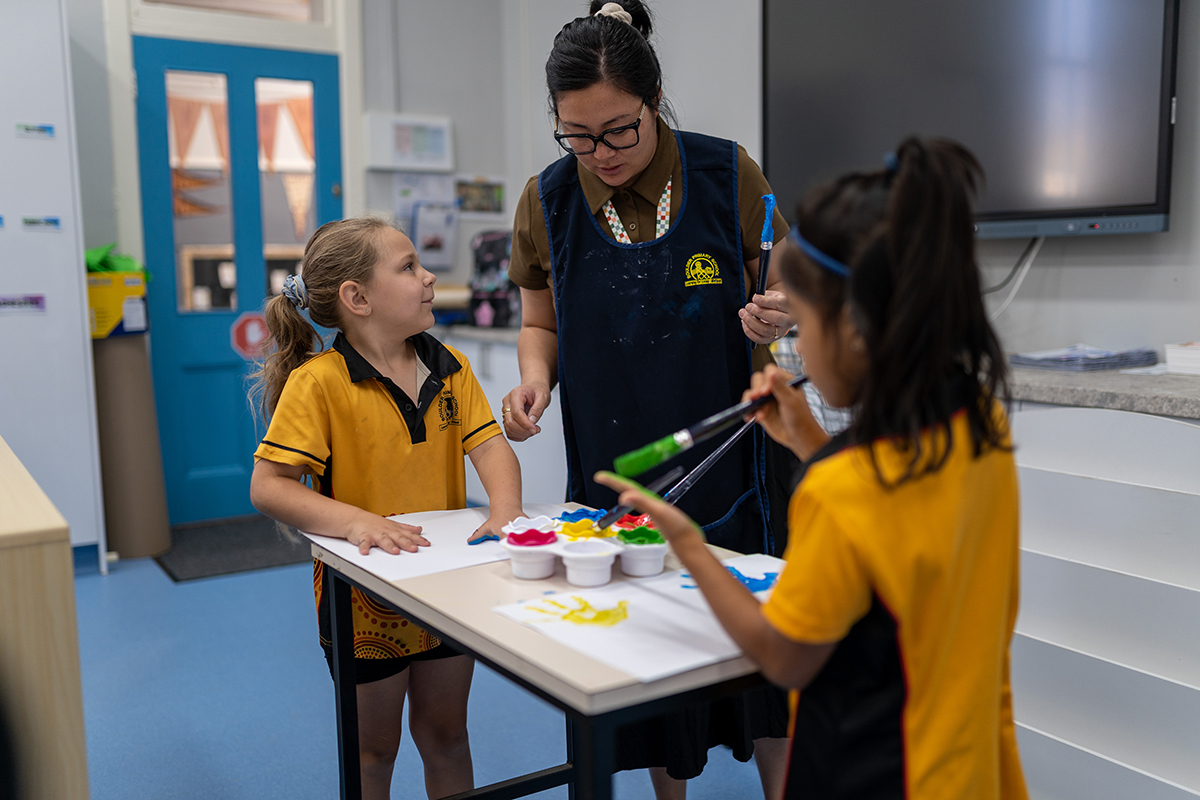
The Arts provide opportunities for creative expression through visual arts, music, drama, and performance. Students develop confidence, imagination, and an appreciation of artistic expression.
Wangkatja Language
At Boulder Primary School, students learn Wangkatja, supporting the preservation and celebration of local Aboriginal language and culture. This program develops students’ understanding of language, culture, and connection to Country. It fosters respect, intercultural understanding, and appreciation of the rich cultural heritage of our region. Learning Wangkatja plays an important role in strengthening identity, connection, and reconciliation within our school community.
Have Questions About Our Curriculum?
If you’re an existing family, you’re welcome to approach your child’s teacher at any time to talk about the curriculum and their learning journey. If you’re not a part of our community yet, feel free to contact us or we can answer any questions during a school tour.